Last updated: August 25, 2026
Here’s the short answer: there is no bad time to visit Aruba. The island sits outside the hurricane belt, gets less rain than almost anywhere in the Caribbean, and holds steady around 82°F (28°C) with cooling trade winds every single month. The real question is what you want to pay and how many people you want to share the beach with.
High Season: Mid-December to Mid-April
This is when snowbirds and holiday travelers flood in, and prices show it — hotels can cost 40–60% more than summer, and the most popular resorts and restaurants book out months ahead. The payoff is buzzing energy, every tour running daily, and perfect weather (though the weather is honestly perfect year-round). If you’re set on high season, book flights and hotels 4–6 months out.
The Sweet Spot: May to August
Our pick for the best value. The weather is nearly identical to high season — maybe one degree warmer — but crowds thin out and prices drop noticeably. June and July bring slightly stronger trade winds, which locals consider a feature: it’s prime time for windsurfing and kitesurfing at Fisherman’s Huts, and the breeze keeps beach days comfortable. Families take note: summer works beautifully here because, unlike much of the Caribbean, there’s no hurricane worry hanging over your trip.
Quietest and Cheapest: September to Mid-December
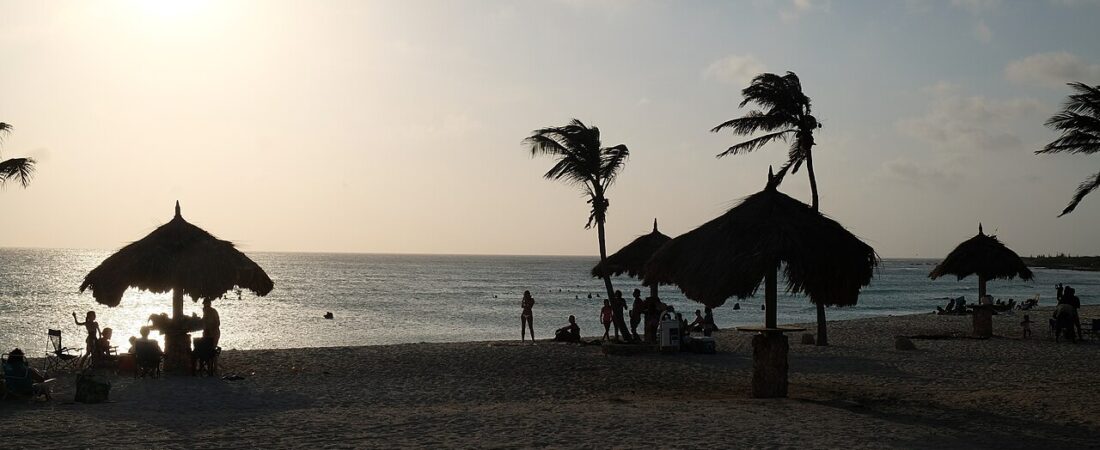
Technically the Caribbean’s hurricane season — but Aruba sits far south of the storm track and is almost never affected. This is when you’ll find the lowest hotel rates of the year, near-empty stretches of Eagle Beach, and easy same-week restaurant reservations. October and November are the sleeper picks for couples who want the island to feel like their own.
Month-by-Month Cheat Sheet
January–March: peak everything — crowds, prices, energy. April: high season winds down, great compromise. May–August: best value, breeziest months, ideal for families and wind sports. September–November: cheapest and quietest. December: quiet early, packed and pricey after the 15th. One event worth planning around: Carnival season (January–February) brings parades and parties — spectacular to witness, but book extra early.
Ready to lock in dates?
Once you’ve picked your window, start with our guide on where to stay in Aruba, then browse the top things to do. And here are the top-rated experiences to build your days around:


Planning around price? Our new guides to Aruba in September and Aruba in October break down the cheapest weeks, and the catamaran guide shows the boat day worth booking in any month.
Summer traveler? We now cover August, November and December in month-by-month detail too.
Picked your month? Prices move fast in high season — compare rates early.
Some links on this page are affiliate links — full disclosure.