Last updated: August 26, 2026
Aruba Carnival is not an event — it is a season. For more than seventy editions, the island has spent its first weeks of every year in sequins, steel, and street parades, from the Torch Parade in early January to the burning of Momo before Ash Wednesday. Here is the whole story, told from the inside.
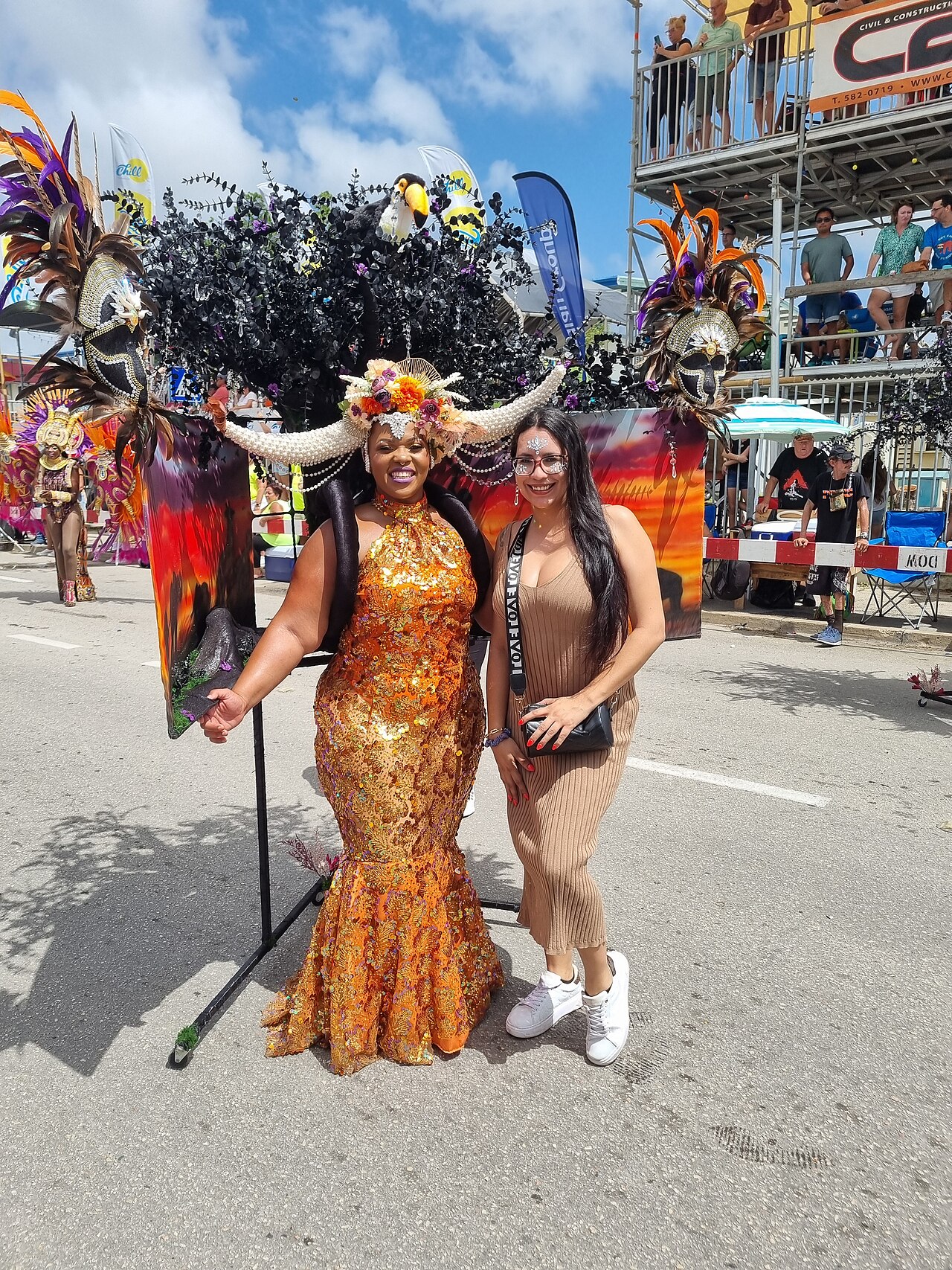
Seventy years of Carnival
It began in San Nicolas in 1954, when street festivities grew out of parades celebrating the Allied victory of World War II. By 1955, districts and social clubs joined into the island’s first public Carnival. Seven decades later, it is the biggest cultural event Aruba has — and San Nicolas still parties like the founder it is.
Why the dates change every year
Carnival ends before Ash Wednesday, whose date follows Easter — and Easter is set by the spring equinox and the moon. Consequently, the season stretches or shrinks each year: a short Carnival one year usually means a long one the next. Locals track this the way farmers track rain.
The season, start to finish
- Torch Parade (Parada di Flambeu) — the season ignites on a Saturday in early January, with torches through Oranjestad at night.
- Jump-ups and jam sessions — weeks of street parties, music competitions, and queen elections across the island.
- Lighting Parade — the nighttime spectacle where costumes glow.
- San Nicolas Grand Parade — the founder’s own grand day, on the final Saturday.
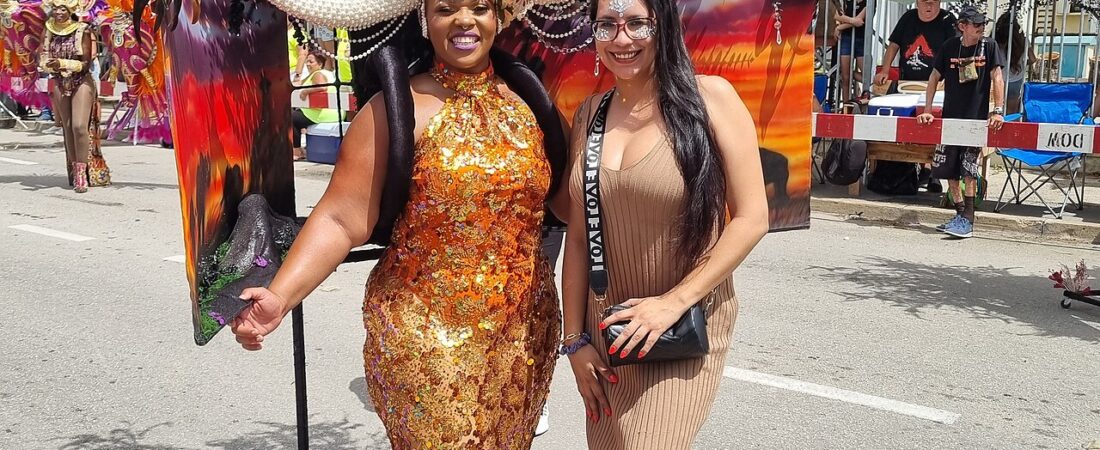
- Grand Parade Oranjestad — the climax, on the last Sunday before Ash Wednesday.
- Burning of Momo — the effigy of Carnival’s spirit burns, and the island exhales until next year.
Visiting during Carnival
It is the island at its fullest — and its most booked. Reserve rooms months ahead and compare rates early, because January and February are peak season even without the feathers. Parade routes are free to watch; arrive early for shade, bring water, and let the road march move you.
Two cities, two flavors — and bilingual music
Carnival belongs to both of Aruba’s towns: Oranjestad hosts the grand climax, while San Nicolas — the founder — throws its own parades with the deepest roots. And here is a detail that sets Aruba apart in the region: our Carnival music plays in English and in Papiamento, while Curaçao’s Carnival sings in Papiamento only. Visitors sing along here — that is the point.
Where to stay for Carnival
Two addresses put the parade at your feet. The hotel locals still call Talk of the Town — freshly renovated and reopened in December 2025 as voco Surfside Aruba by IHG, the Caribbean’s first voco — sits right by the Oranjestad route, making it the classic Carnival base under a new name. Meanwhile, at the Renaissance Wind Creek, you can watch the Grand Parade pass directly below from above — the island’s best balcony seat.
The taxi warning locals give their friends
Be prepared: on parade days, grabbing a taxi is genuinely difficult. Most drivers are at the Carnival themselves, and the road closures mean cabs often cannot reach downtown hotels at all — even Wind Creek guests can find themselves unreachable by car. Consequently, plan around it: stay walking distance from the route, or if you want to avoid the parade entirely, plan a full day out — leave before the roads close and come back after they reopen.
Pair it with the island
Between parades, the rest of Aruba still runs: beach mornings from our rankings, dinners from the Oranjestad guide, and San Nicolas’s food scene at its liveliest all season. The full events calendar lives on the official Aruba tourism site.