Yes. Aruba is one of the safest islands in the Caribbean, and it is not close. Violent crime against visitors is rare, the island sits outside the hurricane belt, the tap water is safe, and people here walk around at night without thinking about it. That is the honest headline.
But “safe” does not mean “nothing can go wrong.” The things that actually hurt visitors in Aruba are almost never crime — they are the sea, the sun, and the roads. Here is what a local would actually warn you about.
The most-booked Aruba tours right now


Emergency numbers in Aruba
| Service | Number |
|---|---|
| Ambulance and fire | 911 |
| Police | 100 |
| Coast guard / sea rescue | 913 |
| Dr. Horacio Oduber Hospital (24/7) | +297 527-4000 |
These work from any phone, including your mobile on roaming, and operators speak English. Save 911 and 100 before you travel. Aruba’s police force keeps stations in Oranjestad, Noord, Santa Cruz and San Nicolas, plus tourism posts in the hotel areas.
The real danger: the north and east coast sea
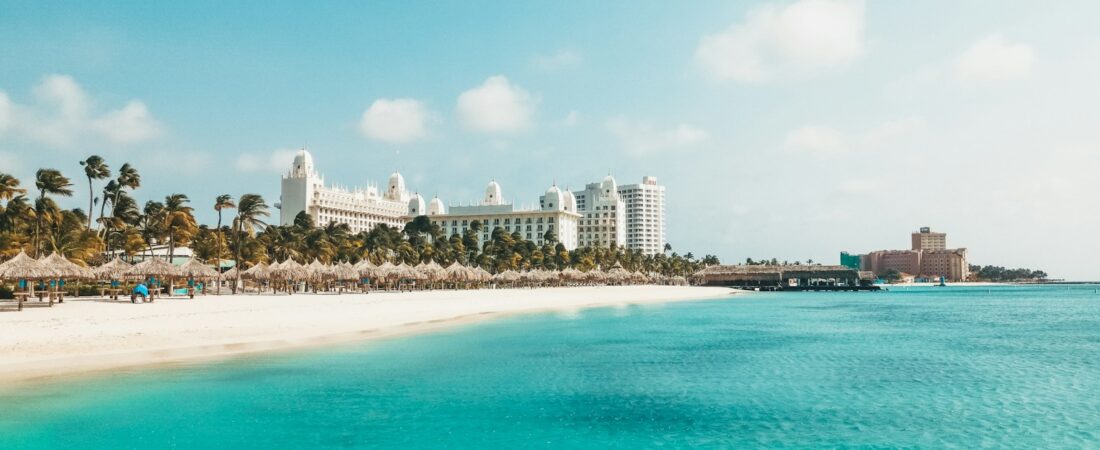
If something serious happens to a visitor in Aruba, this is usually it. The calm turquoise water everyone pictures is the west coast — Eagle Beach, Palm Beach, the hotel strip. The north and east coasts are a completely different ocean: heavy surf, undertow, and rocks.
- Do not swim on the north or east coast. Not at the Natural Bridge area, not at Wariruri, not at Andicuri unless you are a strong local surfer who knows the break. People drown there.
- Wet limestone is lethal. The rock ledges along that coast are slick and the waves arrive without warning. Stay well back from the edge, however good the photo looks.
- Boca Grandi and the wild-side beaches are for kitesurfers and photographs, not swimming.
- Watch for the flag system on hotel beaches and respect it.
On the west coast the water is genuinely calm and safe for children. The danger is almost entirely a question of which side of the island you are standing on.
Sun and heat — the thing that ruins most trips
Aruba sits 12 degrees north of the equator and the trade wind lies to you. The constant breeze means you do not feel yourself burning or dehydrating, and visitors routinely get badly burned on day one.
- Reef-safe sunscreen, reapplied — and a rash guard if you are snorkeling, because backs burn worst.
- Drink more water than feels necessary. The wind evaporates sweat before you notice it.
- The tap water is excellent — desalinated, among the cleanest in the world. Do not waste money on bottled.
Driving in Aruba
Roads are good and driving is on the right, as in the US. It is an easy island to drive. Two local quirks worth knowing:
- Roundabouts are everywhere and traffic already in the circle has priority.
- Loose goats, donkeys and dogs on the rural roads, especially near Arikok and after dark.
- Flash floods after heavy rain — the ground is rock and does not absorb water. Roads clear within hours.
- Do not take a rental car off-road. Standard insurance will not cover it, and the interior tracks will damage a normal car. That is what a 4×4 tour is for.
Crime: what actually happens
Petty theft, and mostly of opportunity. Violent crime against tourists is rare enough to make the news when it happens.
- Do not leave anything visible in a parked car, especially at remote beach car parks and trailheads. This is the single most common way visitors lose things.
- Use the hotel safe for passports and spare cash.
- Beaches at night are fine in the hotel areas, quieter and less so on empty stretches.
- The usual timeshare and “free tour” pitches around Palm Beach are a nuisance, not a danger. A firm no works.
You will notice how relaxed people are here. That is not naivety — it is a small island where everyone is known. Behave as you would in any unfamiliar town and you will be fine.
Hurricanes, earthquakes and weather
Aruba sits outside the hurricane belt. Direct hits are extremely rare, which is the island’s single biggest advantage over most of the Caribbean and the reason people book here for September and October when everywhere else is a gamble. See Aruba in September.
Rain comes in short bursts, mostly after dark between October and January, and is gone by morning. There is no meaningful rainy season the way Jamaica or the Dominican Republic have one.
Health, mosquitoes and medical care
- Medical care is good. Dr. Horacio Oduber Hospital in Oranjestad is modern and Dutch-standard. Travel insurance still matters — treatment is not free for visitors and bills are real.
- No vaccinations are required for most travelers.
- Mosquitoes are limited because the island is dry, but dengue exists in the region. Repellent at dusk is sensible, not paranoid.
- Pharmacies (botica) are widely available; some run a rotating 24-hour service.
Is Aruba safe for solo and female travelers?
Generally yes, and more so than most of the region. Solo women travel here routinely and the island is small, well lit in populated areas, and easy to get around. Normal precautions apply — tell someone your plans if you are hiking in Arikok alone, watch your drink, use licensed taxis at night. Taxis are not metered; fares are government-set and should be agreed before you get in.
Is Aruba safe for families?
Very. Calm west-coast water, short distances, good hospitals, and no real crime concern. The things to manage are sun and the strength of the sea if you wander to the wild side. Our family guide covers the rest.
Aruba safety: common questions
Is Aruba safe for tourists?
Yes. Aruba is consistently one of the safest islands in the Caribbean, with low violent crime, good infrastructure and a visible police presence including tourism posts in the hotel areas. The most common problem visitors face is petty theft from parked cars, not violence.
What are the emergency numbers in Aruba?
Dial 911 for ambulance and fire, 100 for police, and 913 for the coast guard. Dr. Horacio Oduber Hospital can be reached directly on +297 527-4000. All work from mobile phones and operators speak English.
Is it safe to swim in Aruba?
On the west coast, yes – Eagle Beach and Palm Beach are calm and safe for children. The north and east coasts are dangerous, with heavy surf, undertow and slick rock ledges. Do not swim there.
Can you drink the tap water in Aruba?
Yes. Aruba desalinates its water and it is among the cleanest tap water in the world. Bottled water is unnecessary.
Does Aruba get hurricanes?
Very rarely. Aruba sits outside the Caribbean hurricane belt, which is why it is a reliable choice in September and October when much of the region is at risk.
Is Aruba safe to walk around at night?
In the hotel areas and Oranjestad, yes, and locals do it routinely. Use normal judgement on empty beaches and unlit stretches, as you would anywhere.
Is Aruba safe for solo female travelers?
Yes, and it is a common choice for solo travel. The island is small and easy to navigate. Take standard precautions: agree taxi fares in advance, tell someone your plans before hiking Arikok alone, and watch your drink.
💧 Good to know: Aruba tap water is safe to drink, so pack a reusable bottle.
🔌 Quick answers: Aruba plugs and voltage · Aruba time zone · Is the tap water safe?