Last updated: August 25, 2026
Every visitor sees Oranjestad from the cruise dock or the airport road — but Aruba’s pastel capital rewards the ones who actually stop. Here’s the local’s guide to the city.
What Oranjestad Is
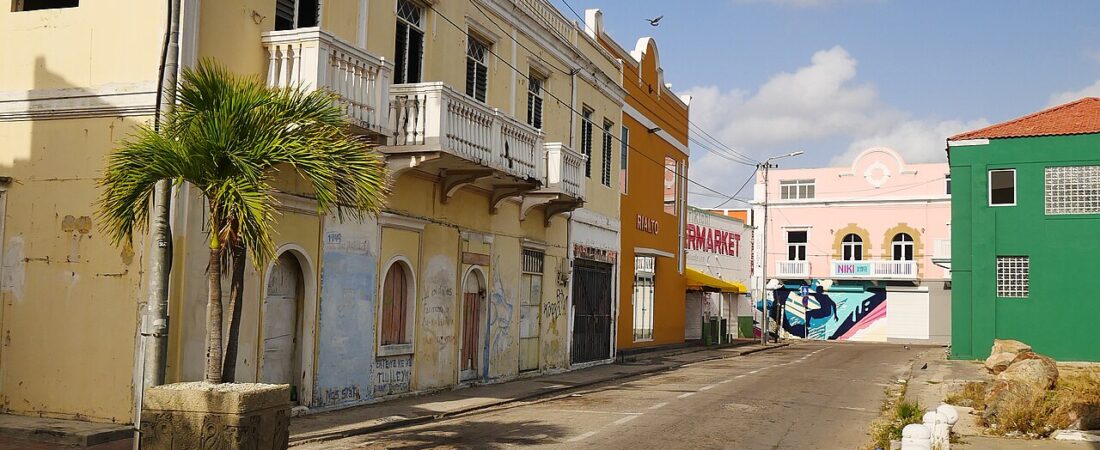
The island’s compact, colorful capital: Dutch colonial gables painted in candy colors, a free downtown streetcar, duty-free shopping, the island’s museums, and a working waterfront. It’s walkable in an afternoon and photogenic the entire way.
Don’t Miss
The Renaissance Marketplace waterfront for cafes and people-watching. Fort Zoutman and the Historical Museum — Aruba’s oldest building, with the Bon Bini Festival (music, dance, local food) on Tuesday evenings. The Archaeological Museum for the island’s pre-colonial story, free to enter. And the flamingo-famous Renaissance Island boats, which depart from the Renaissance lobby downtown.
Eat & Drink
Wilhelmina for the elegant garden dinner, The West Deck for pier-side ribs and cocktails, and the downtown snack trucks after dark for pastechi the way locals actually eat. Full list in the restaurant guide.
Staying Here
Choose Oranjestad as a base if you want boutique hotels, lower prices, shopping and culture at your door — and don’t mind a 10-minute drive or bus ride to the big beaches. The Renaissance (with its private island) is the headline stay. Compare with the beach zones in Where to Stay.
Practical Bits
Parking is easiest in the paid lots near the marketplace. The free streetcar loops the main street from the cruise terminal. Most shops close early evening — Oranjestad is a day-and-dinner town, with nightlife concentrated up at Palm Beach. Safe to wander; normal city awareness after dark.
Plan your Oranjestad day


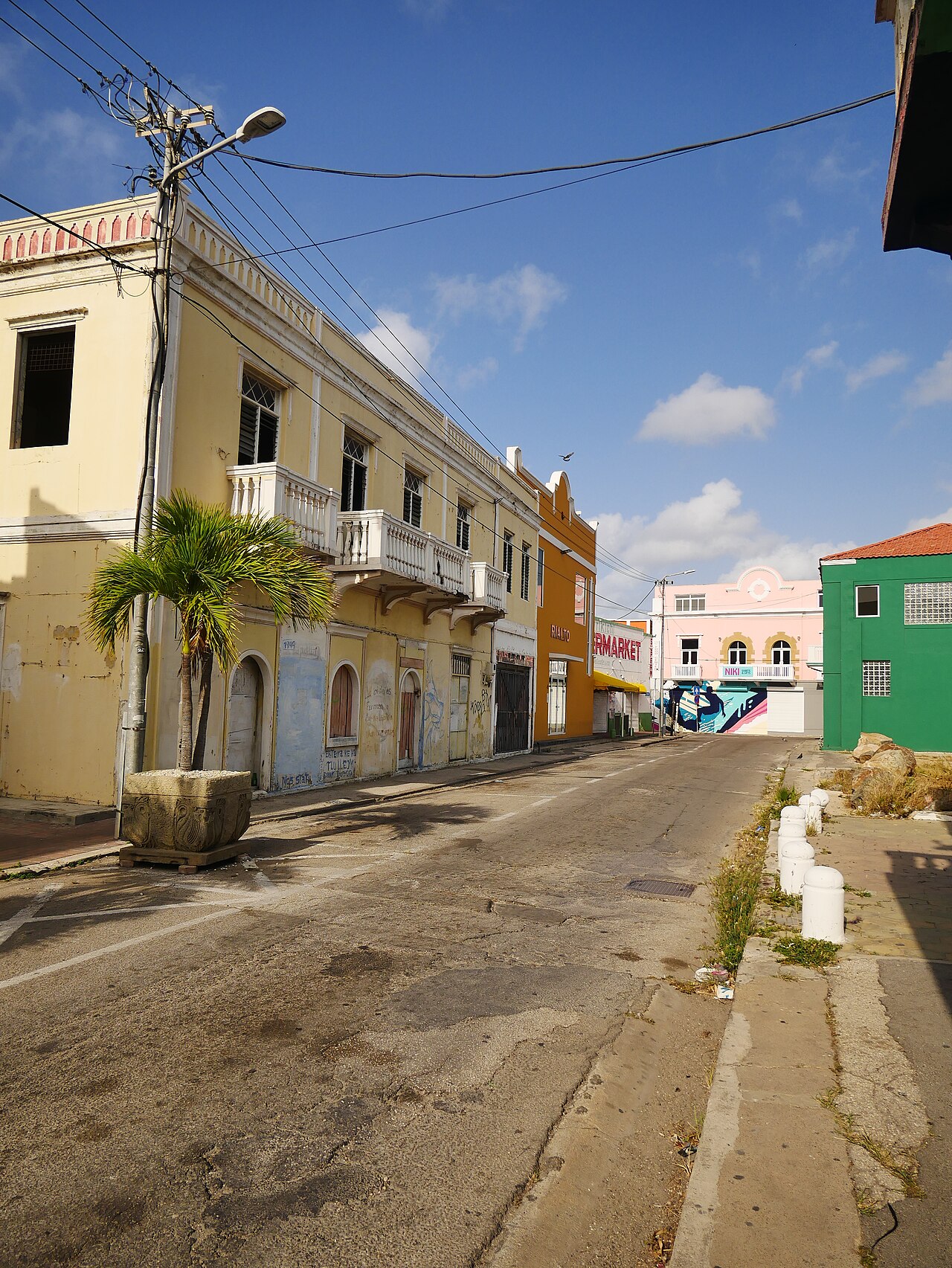
Oranjestad Aruba: quick tips before you go
A morning covers the heart of Oranjestad Aruba, because the pastel old town is compact and walkable. Start early, since the cruise crowds arrive by mid-morning. Also, the free tram loops the main street, so tired feet get a break. For opening hours and events, see the official Oranjestad page. Afterwards, reward yourself: our restaurant guide lists the local lunch spots nearby, and the beach guide shows where to cool off after.
Basing yourself in town puts the harbor, museums, and food within walking distance.
Some links on this page are affiliate links — full disclosure.
For dinner plans, see where to eat in Oranjestad — six restaurants worth the evening.